 Example image
LED video walls
LED Wall Buying Guide: Technology, Pixel Pitch, Planning
An LED wall is built from individual LED modules that combine into one continuous surface. smartenic plans, delivers and installs LED video walls for indoor and outdoor use across Austria, Germany and Switzerland, always made to measure: format, pixel pitch, brightness and mounting are tailored to your project. This page explains the technology behind an LED wall and what matters in selection, planning and operation.
- Use
- Indoor + outdoor
- Format and surface
- Made to measure
- Modules replaceable individually
- Modular
- Installation and calibration
- On site
Every wall is one of a kind.
We build LED walls to measure – format, pixel pitch, brightness and mounting are tailored to your project.
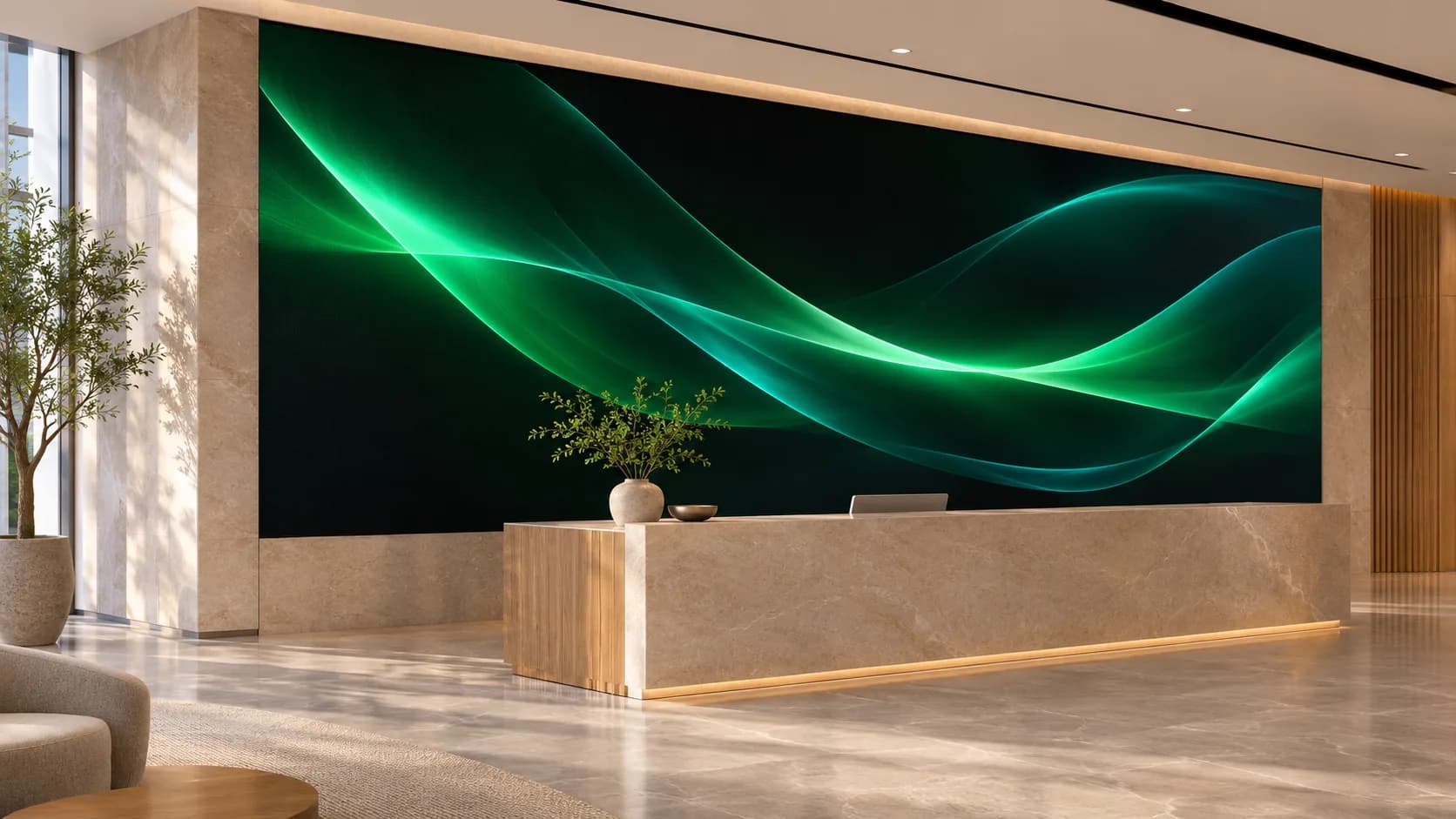
Example imageIndoor LED wall
For reception, showroom, conference and events. Seamless, even across large widths.
 Example image
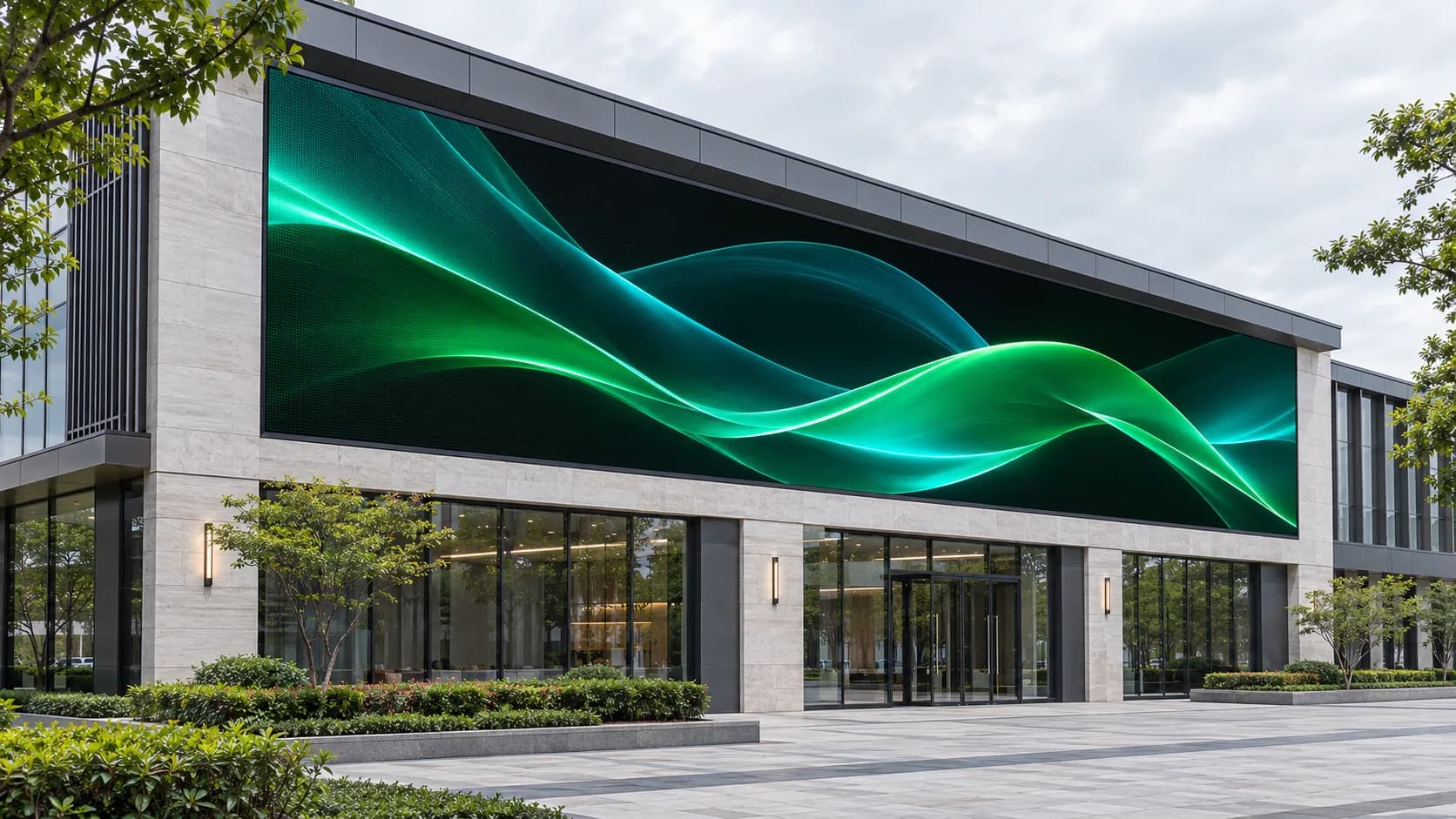
Outdoor and facade
Weatherproof for facades, entrances and squares, bright enough for daylight.
 Example image
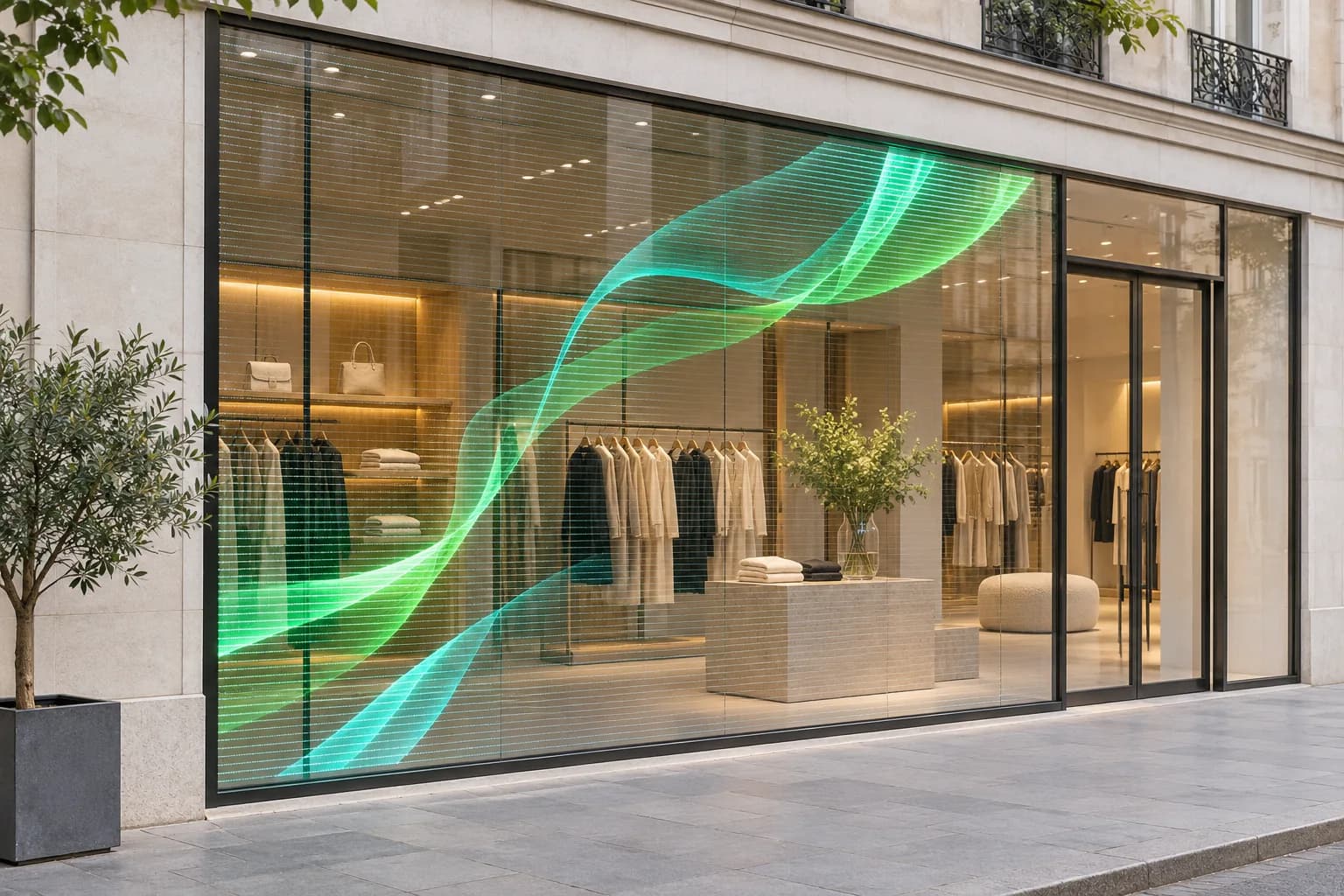
Transparent LED
In the shop window: content shines while the view into the store stays open.
 Example image
Special formats
Strips, columns, corners and unusual aspect ratios.
Technology
What defines an LED wall technically?
Modular build
Cabinets and modules are combined into exactly the surface the room needs and can be extended later.
Pixel pitch by viewing distance
Fine for short viewing distances, coarser for facades and long distances. We choose it by the shortest distance from which people look.
Brightness for the setting
Indoor surfaces are tuned for interiors, outdoor versions are much brighter so they stay readable in daylight.
Camera-ready
For stage, studio and livestream we specify driving and refresh so the surface records without banding or flicker.
Front or rear service
Depending on the version, modules can be replaced from the front or the rear. A wall mounted directly against masonry stays serviceable.
Point-by-point calibration
Every pixel is corrected individually for brightness and colour. The surface looks even, also when modules are added or replaced later.
How an LED wall is built.
An LED wall is made of cabinets joined seamlessly. Each cabinet holds LED modules. How many, how fine and how bright is decided for your project.
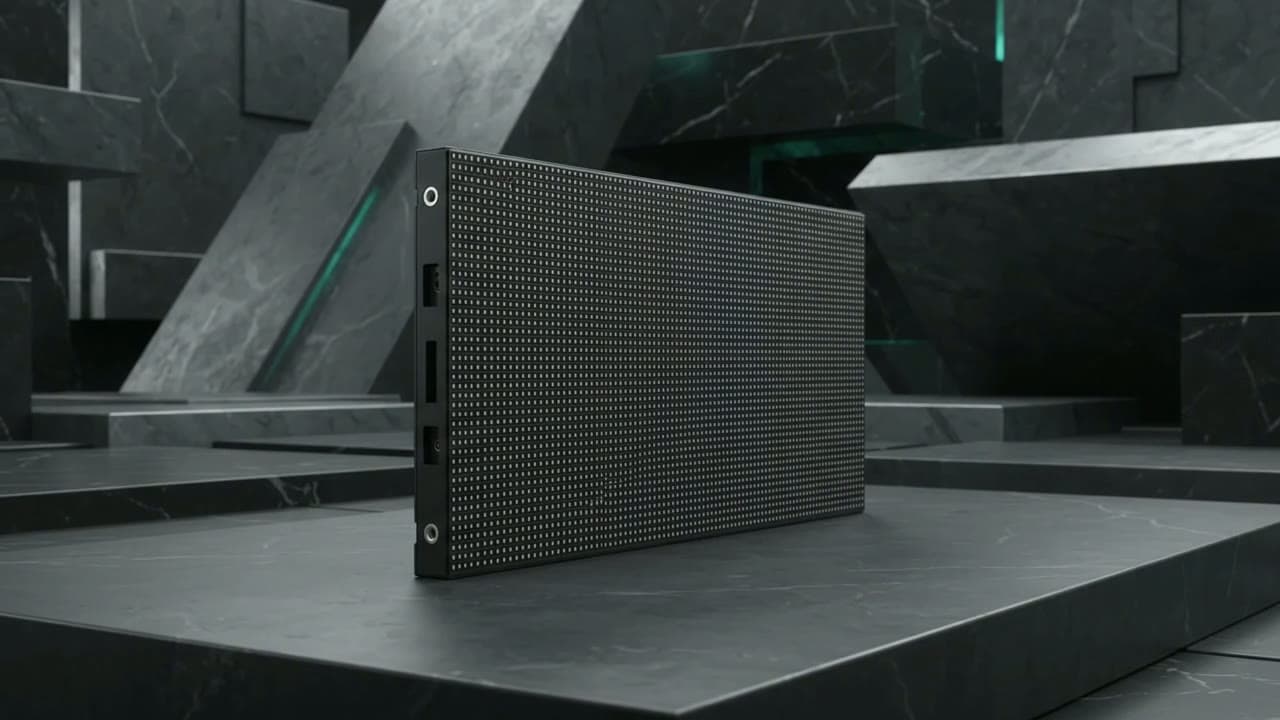 Visualisation
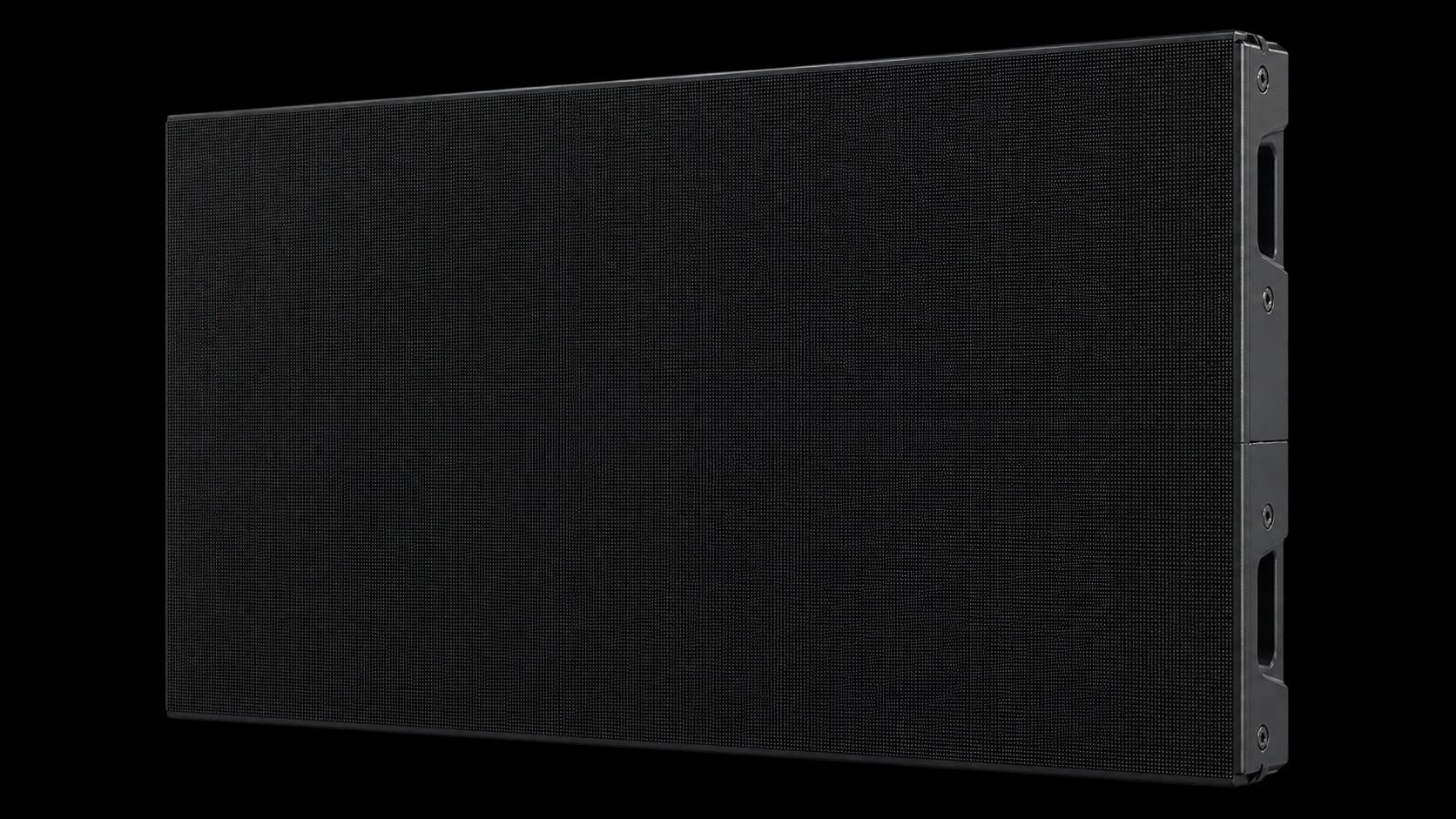
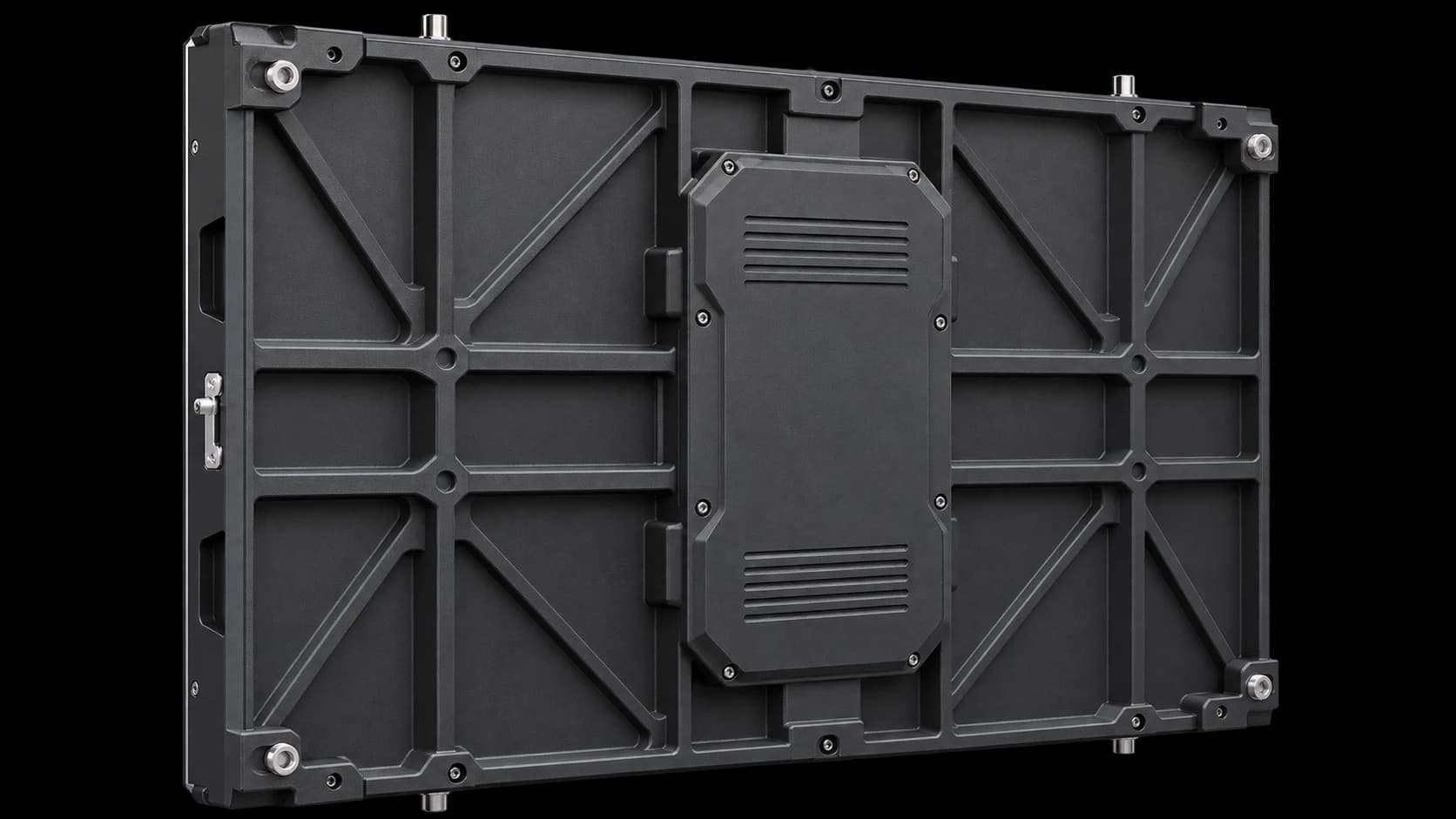
Cabinet
The supporting frame. Cabinets are joined to the required surface, the rear carries power supply and control.
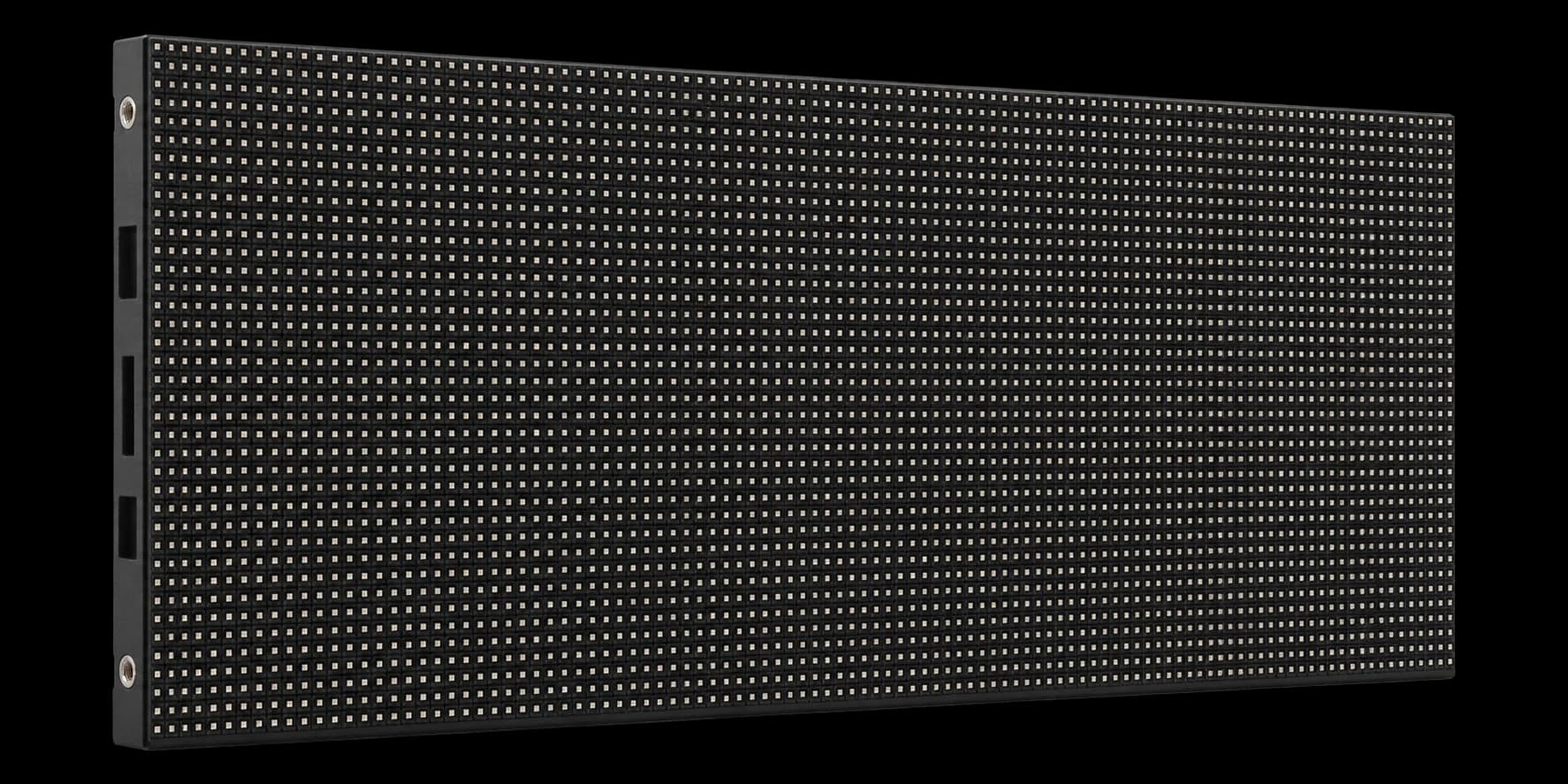
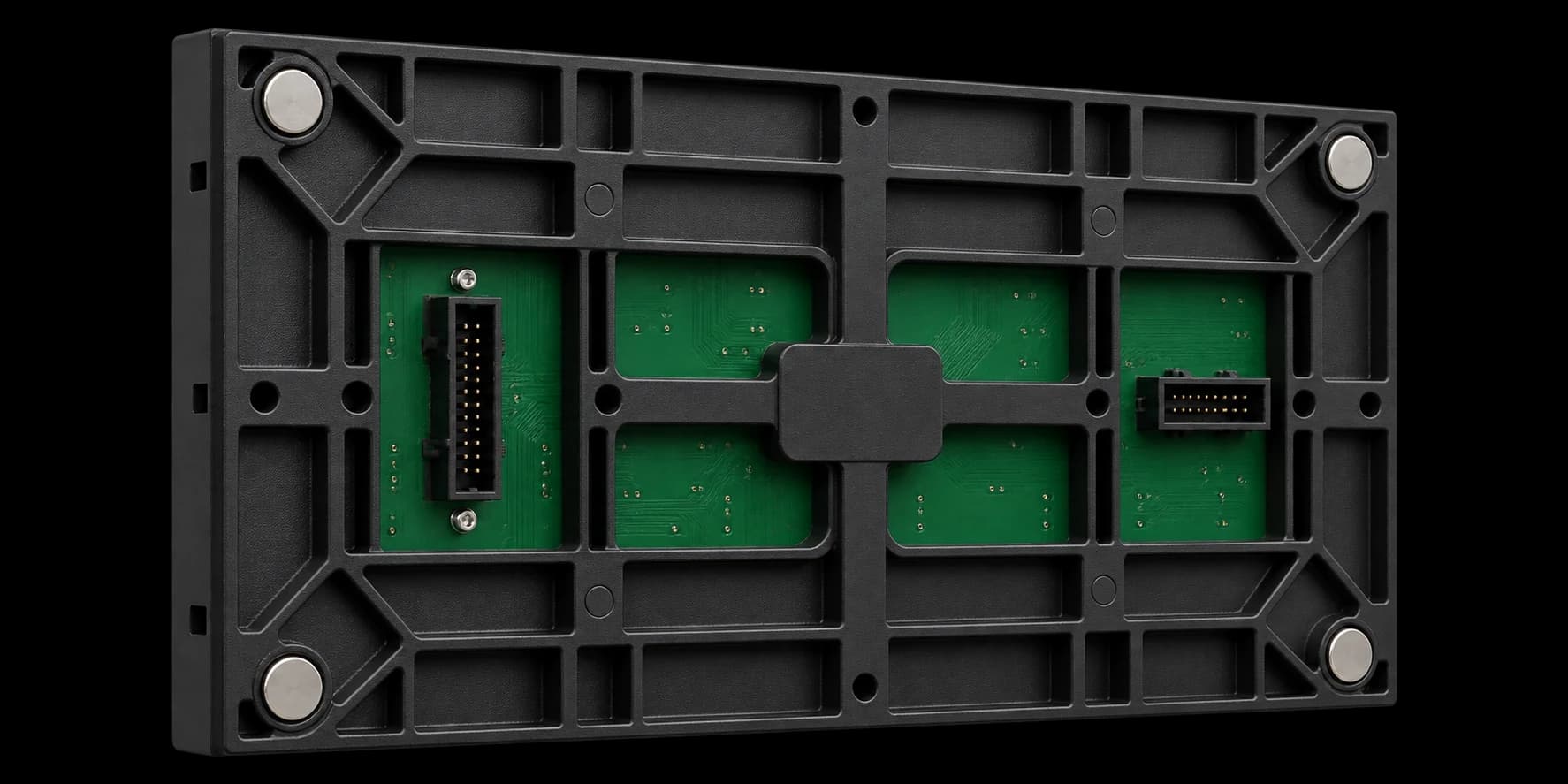
LED module
The light-emitting surface with the LEDs. Modules can be replaced individually, which makes service easier.
Types
Which types of LED wall are there?
Example imageContent
Controllers and content
Every LED wall runs on a controller. Controller, video processor and signal routing are specified per project.
Data sheet
Which technical specifications do we define for your LED wall?
- Format and surface
- Made to measure, built from cabinets and modules
- Pixel pitch
- Fine for short viewing distances, coarser for facades and long distances
- Brightness
- Matched to ambient light and location, indoor and outdoor
- Protection
- Outdoor version sealed against dust and water
- Mounting
- Wall-mounted, freestanding or suspended
- Maintenance
- Modules replaceable individually, point-by-point calibration on site
- Control
- Controller, video processor and signal routing specified per project
- Warranty
- As stated in the quote
Price
How much does an LED wall cost per square metre?
An LED wall is not a catalogue item with a fixed price per square metre. Six factors decide where a project lands:
Pixel pitch
The finer the pixel pitch, the more LEDs sit on a square metre. A fine and a coarse version are therefore far apart in cost.
Surface area
Total area determines module count, controller capacity and cabling.
Indoor or outdoor
Outdoor modules are weatherproof, brighter and heavier. That affects module, substructure and power supply.
Mounting
Wall mount, freestanding frame and suspended rig differ in structural work, material and labour time.
Control system
Controller, video processor and signal routing are specified per project.
Service
Commissioning, on-site calibration, spare modules and agreed response times are part of the calculation.
Price on request. We cost every LED wall from surface area, pixel pitch and installation situation rather than from a flat rate.
Use cases
Where are LED walls used?
Planning
How does smartenic plan an LED wall?
An LED wall is planned as a project, not ordered as an article. Six steps:
- Define the requirement: shortest viewing distance, ambient light, indoor or outdoor.
- Fix the surface: target dimensions mapped onto the module grid.
- Choose the pixel pitch: matched to the shortest viewing distance, not to the largest number.
- Check the installation site: structural load, substructure, power supply and service access.
- Specify the technology: controller, video processor, signal routing.
- Install and commission: assembly, point-by-point calibration and on-site training.
You can work through the first three steps yourself: in the LED wall configurator you pick surface, pixel pitch and mounting type and see the wall in 3D — including resolution, module grid, weight and power supply. The result is a pre-plan, not a quotation.
Book a Free Consultation — 30 Min, No Obligation
FAQ
Frequently asked questions about LED walls
What is pixel pitch on an LED wall?
Pixel pitch is the distance between the centres of two neighbouring LED pixels, measured in millimetres. The smaller the value, the more pixels sit on a square metre and the closer you can stand before individual dots become visible. We define the right value for your project.
Which pixel pitch do I need?
What counts is the shortest distance from which someone actually looks at the surface. Short distances, for example at reception or in a meeting room, need a fine pixel pitch; facades and long distances work with a coarser one. We choose it for your space, not by the biggest number on the datasheet.
LED wall or LCD video wall - which is better?
An LED wall is assembled from modules and forms one continuous surface with no dividing lines. An LCD video wall consists of separate displays with bezels, and those seams stay visible in the image. LED is free in size and format, much brighter and therefore usable outdoors. LCD is the simpler option for small indoor surfaces.
What is the difference between an indoor and an outdoor LED wall?
Outdoor modules are sealed against dust and water, much brighter and heavier than indoor modules. Because people usually look from further away outdoors, the pixel pitch there is generally coarser. A covered but open-sided area usually already counts as outdoors.
How long does an LED wall last?
That depends on the modules, operating hours and the brightness setting. We state the specific values and warranty terms in the quote. Brightness decreases slowly over the service life; point-by-point calibration evens out differences within the surface.
How is an LED wall serviced?
Depending on the version, modules are accessible from the front or the rear. A faulty module is replaced individually while the rest of the surface keeps running. After the swap the surface is recalibrated so the new module matches the rest in brightness and colour. We recommend planning a few spare modules from the start.
How much does an LED wall weigh and what wall can carry it?
Weight depends on module type, surface and substructure; outdoor modules are heavier than indoor ones. Even a medium-sized surface puts considerable load on the wall. Plasterboard walls usually cannot carry that without additional reinforcement, so we check the structural situation before installation.
How much does an LED wall cost?
Price on request. Cost depends on pixel pitch, surface area, indoor or outdoor use, mounting method, control hardware and service scope. A fine indoor wall and a coarse outdoor surface are far apart at the same square metre count, so we work with project-based quotes rather than a price per square metre. Tell us surface, distance and site and we will work it out.
Guides on this topic
Guide
LED Walls for Events: Planning for Organisers and Venues
Stage, conference or gala: how to plan pixel pitch, power, signal and content for an event LED wall, and when a permanent installation pays off.
Guide
Buying an LED Display: A Guide to LED Walls for Businesses
Pixel pitch, indoor or outdoor, control and cost factors: what to know before buying an LED wall, and when an LCD display is the better fit.
Guide
Outdoor LED Walls: The Technology That Counts Outside
Brightness, ingress protection, heat, structure and permits: these points decide whether an outdoor LED wall runs reliably in sun, rain and frost.
Alternatives
Alternatives to an LED wall
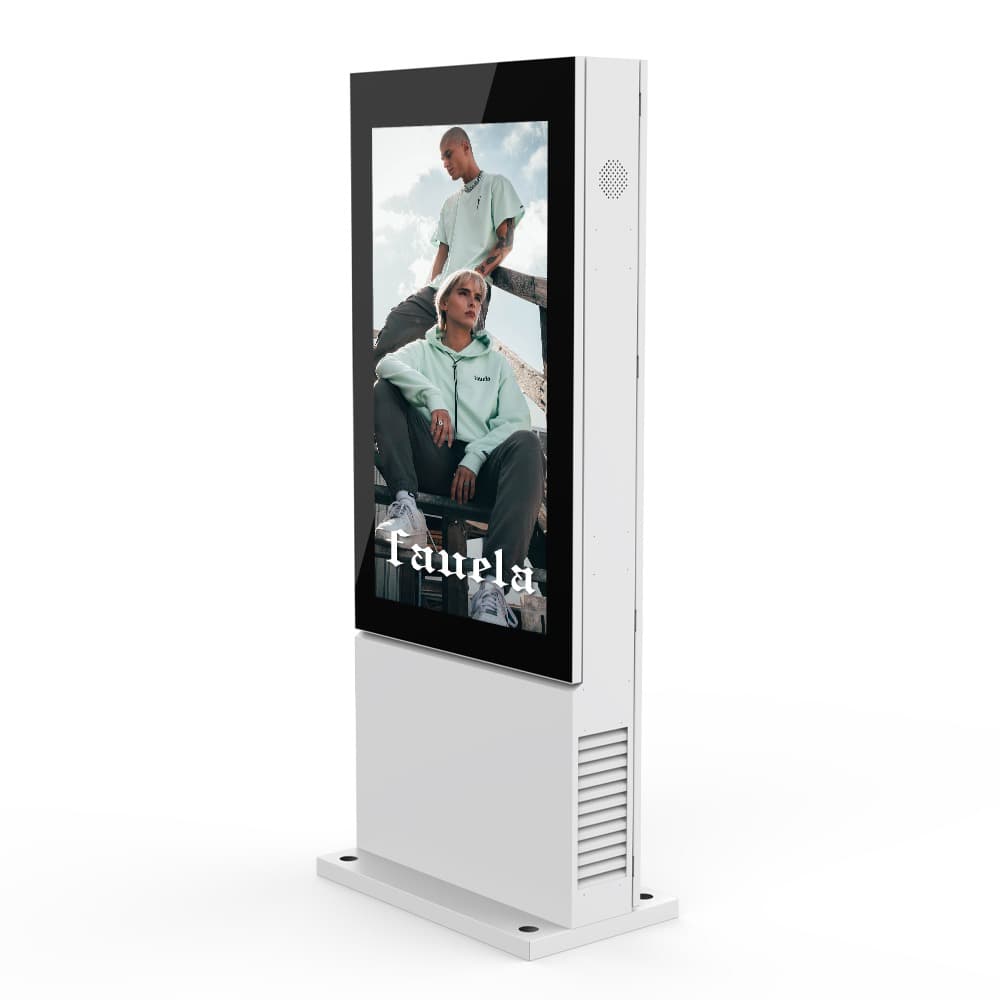
Outdoor LED wall
For facades, public squares and stadiums. Weatherproof, bright enough for daylight, coarser pixel pitch for long distances. Outdoor hardware is covered in detail on the outdoor page.
Learn more →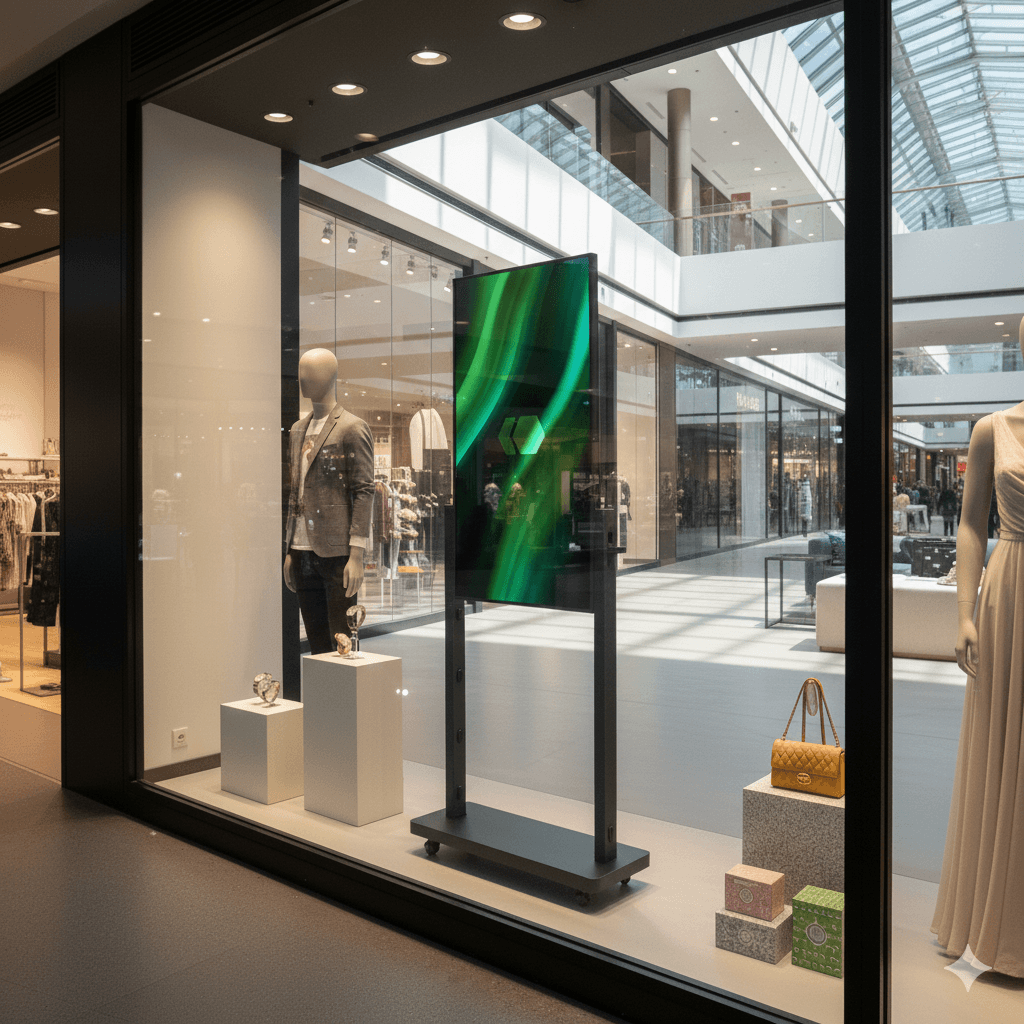
Shop Window Display
When a bright LCD screen in the shop window is enough instead of an LED surface: 3000 nits, single or double-sided.
Learn more →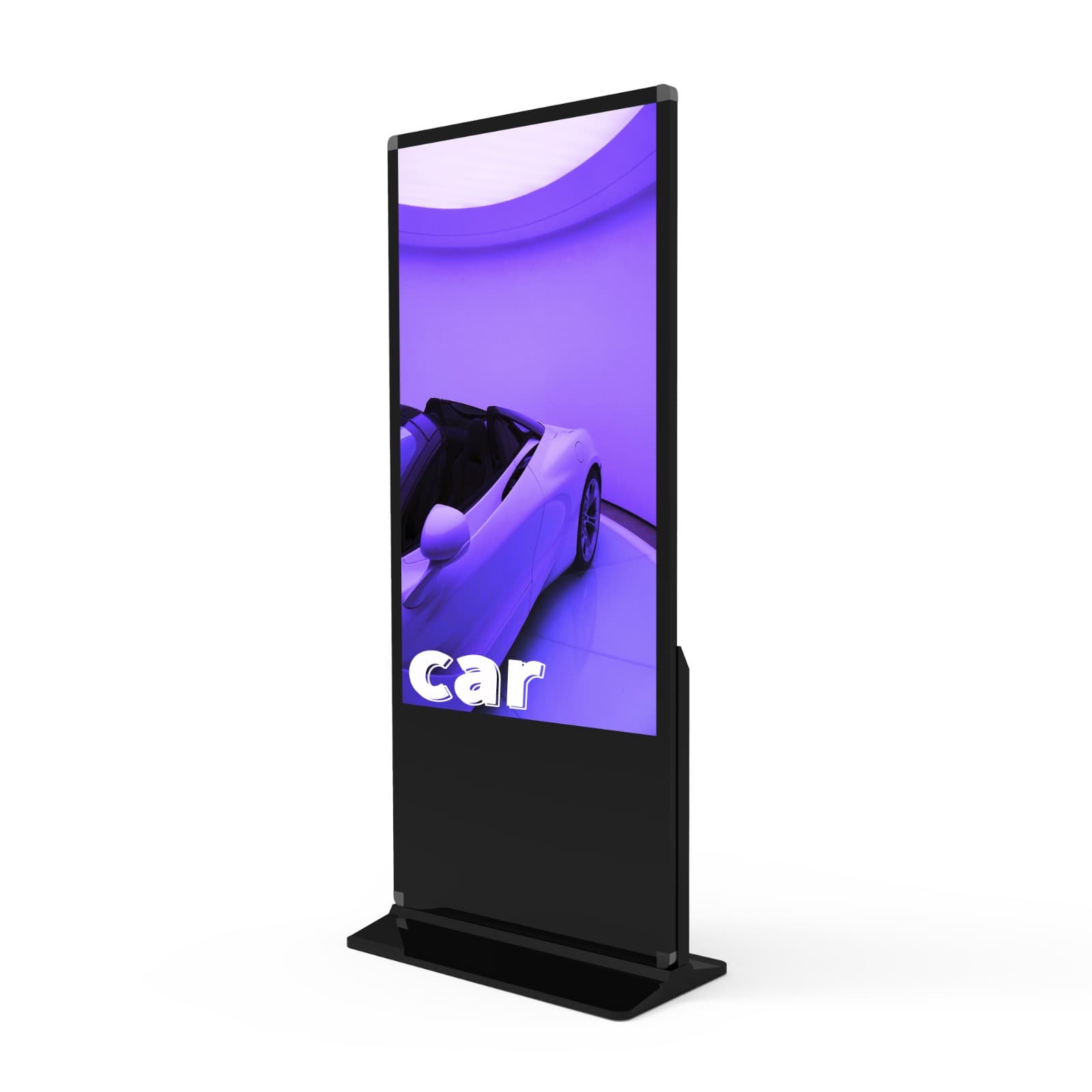
Indoor totem
Freestanding kiosk and touch totems when a single point is enough instead of a surface.
Learn more →Related
Related pages
Plan your LED wall
Tell us the surface area, the viewing distance and the site. We propose pixel pitch, module type and mounting method, and attach a quote.
Discuss your project